Artysta
Bogusław Szwacz
Wybrane prace
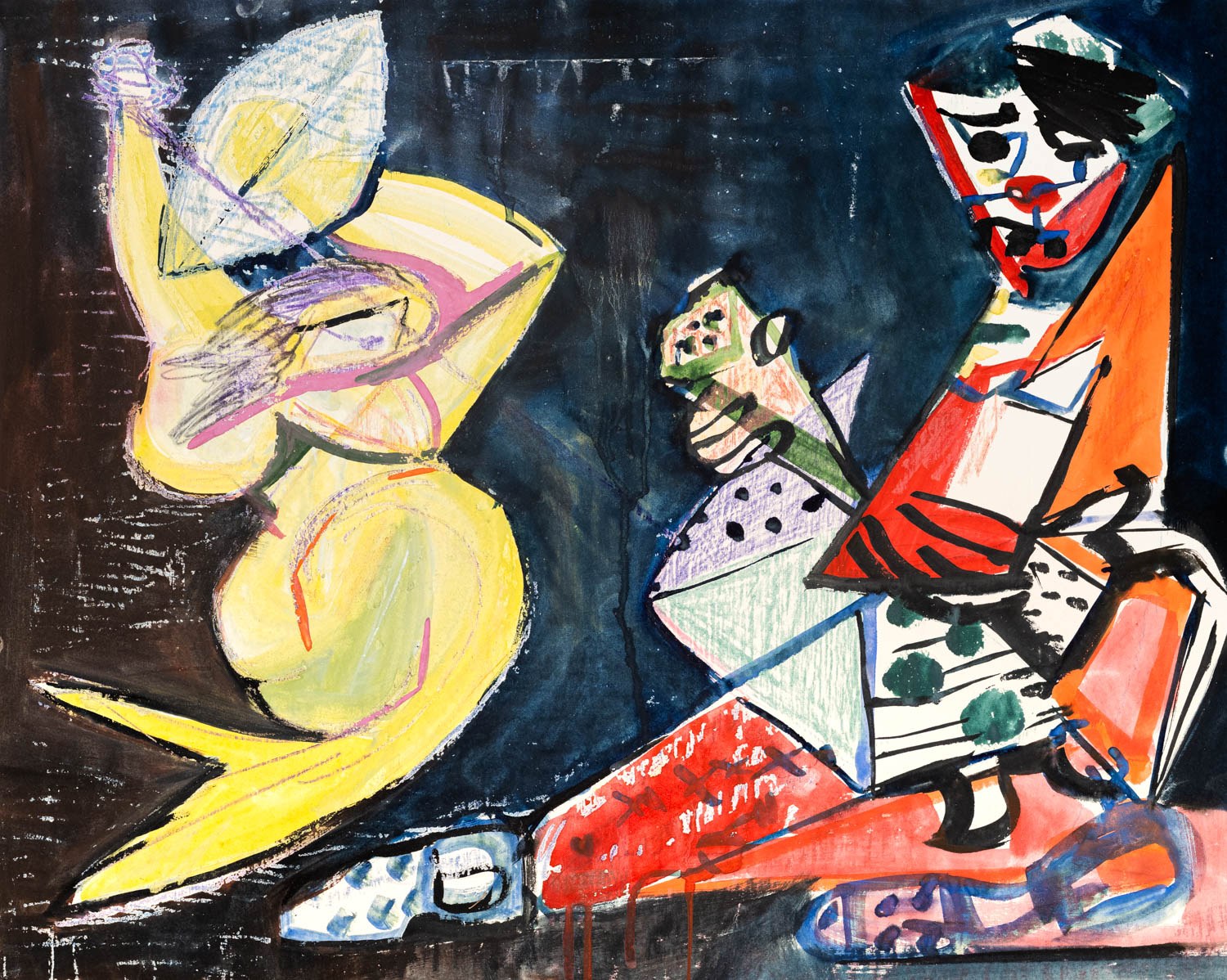
Syrenka walcząca z okupantem
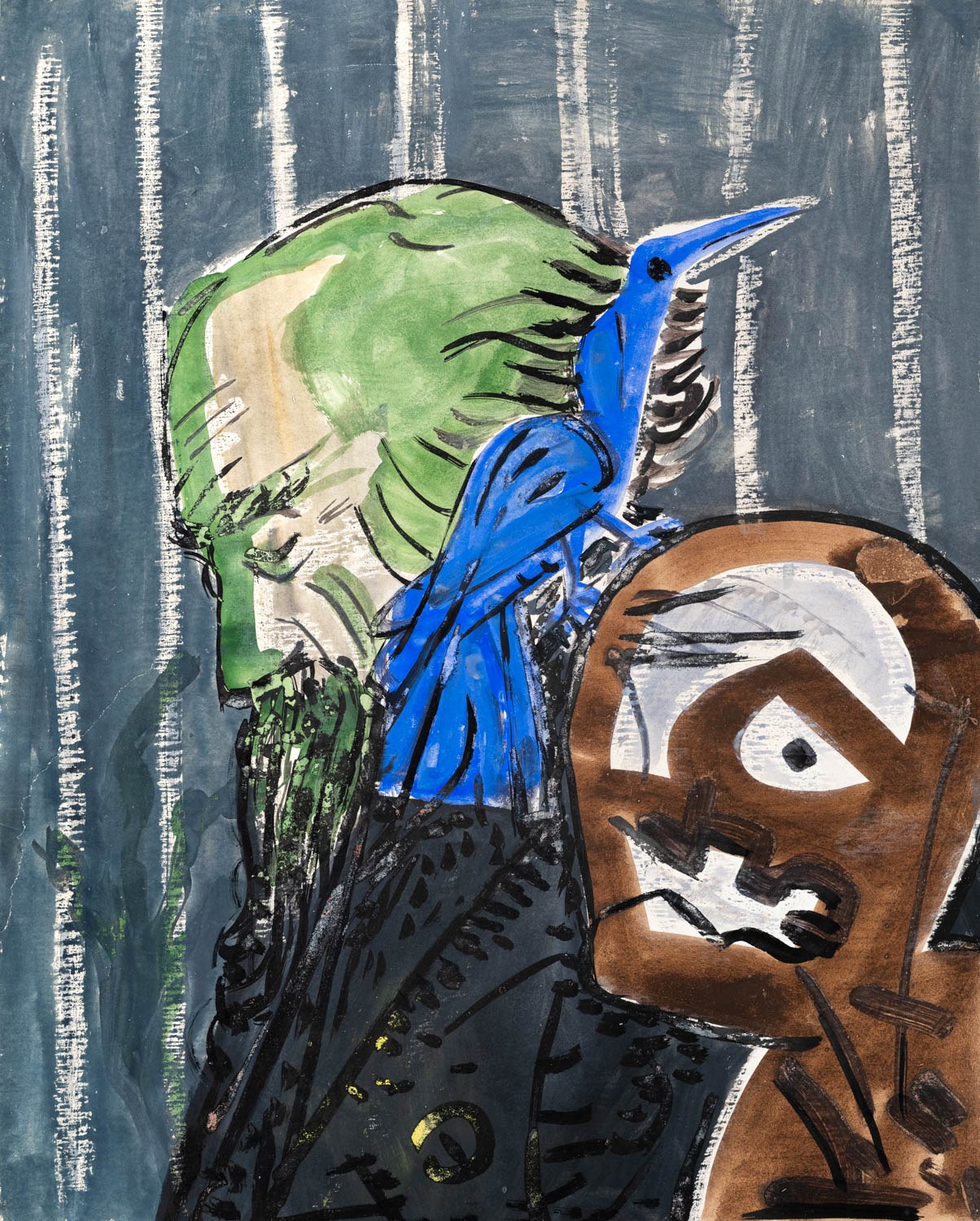
Myśliciel i paw
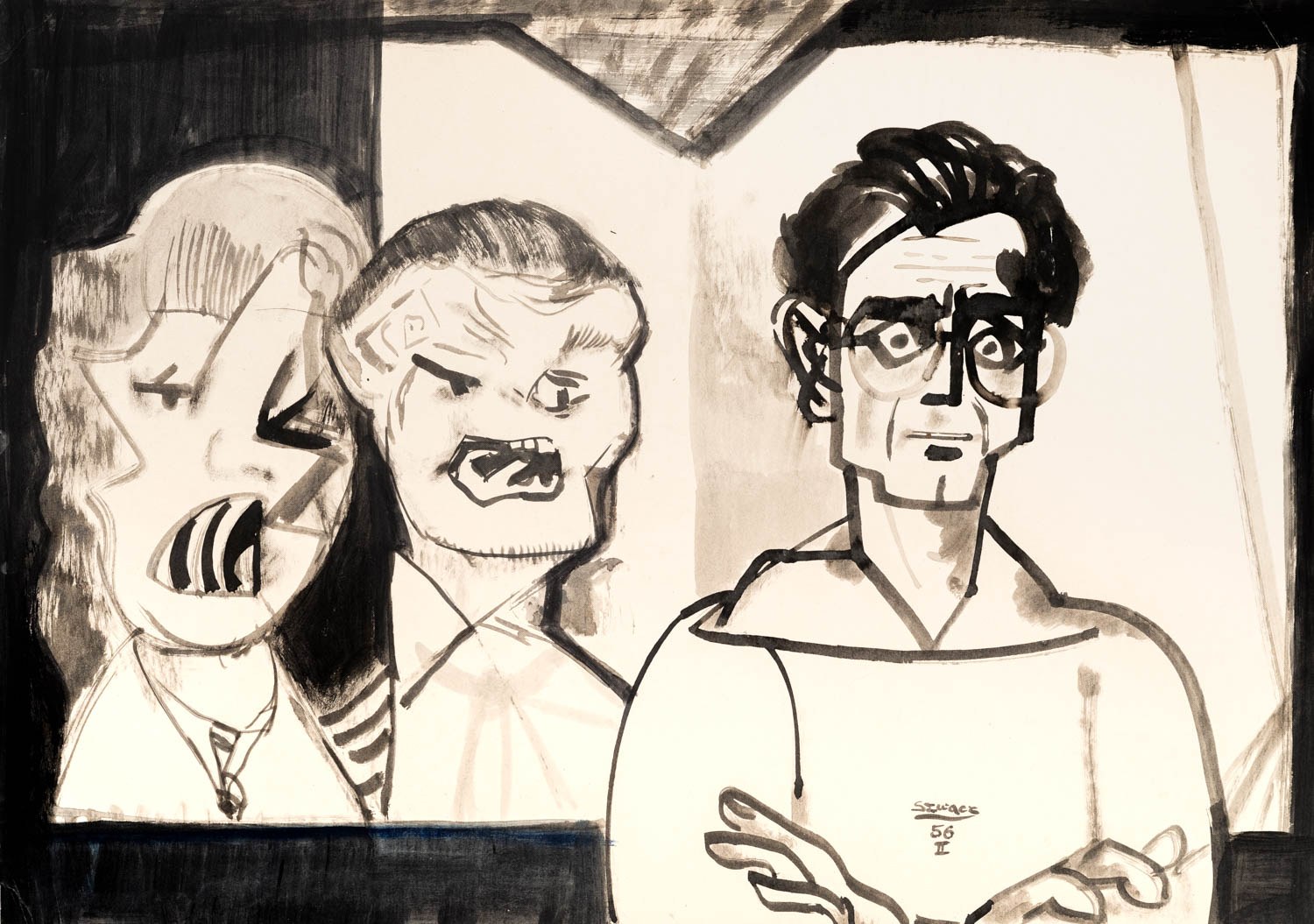
Autoportret z krytykami
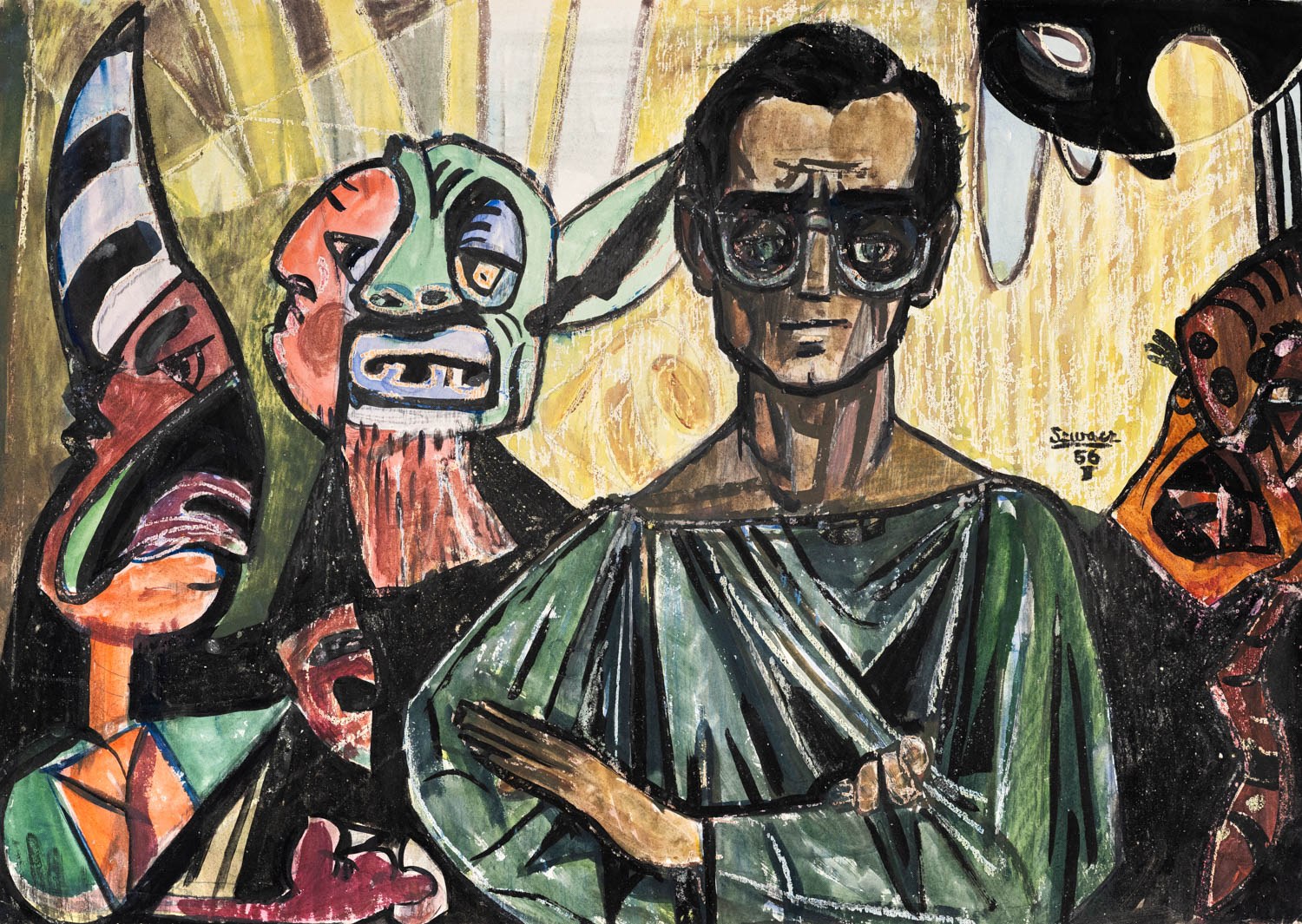
Autoportret fantastyczny
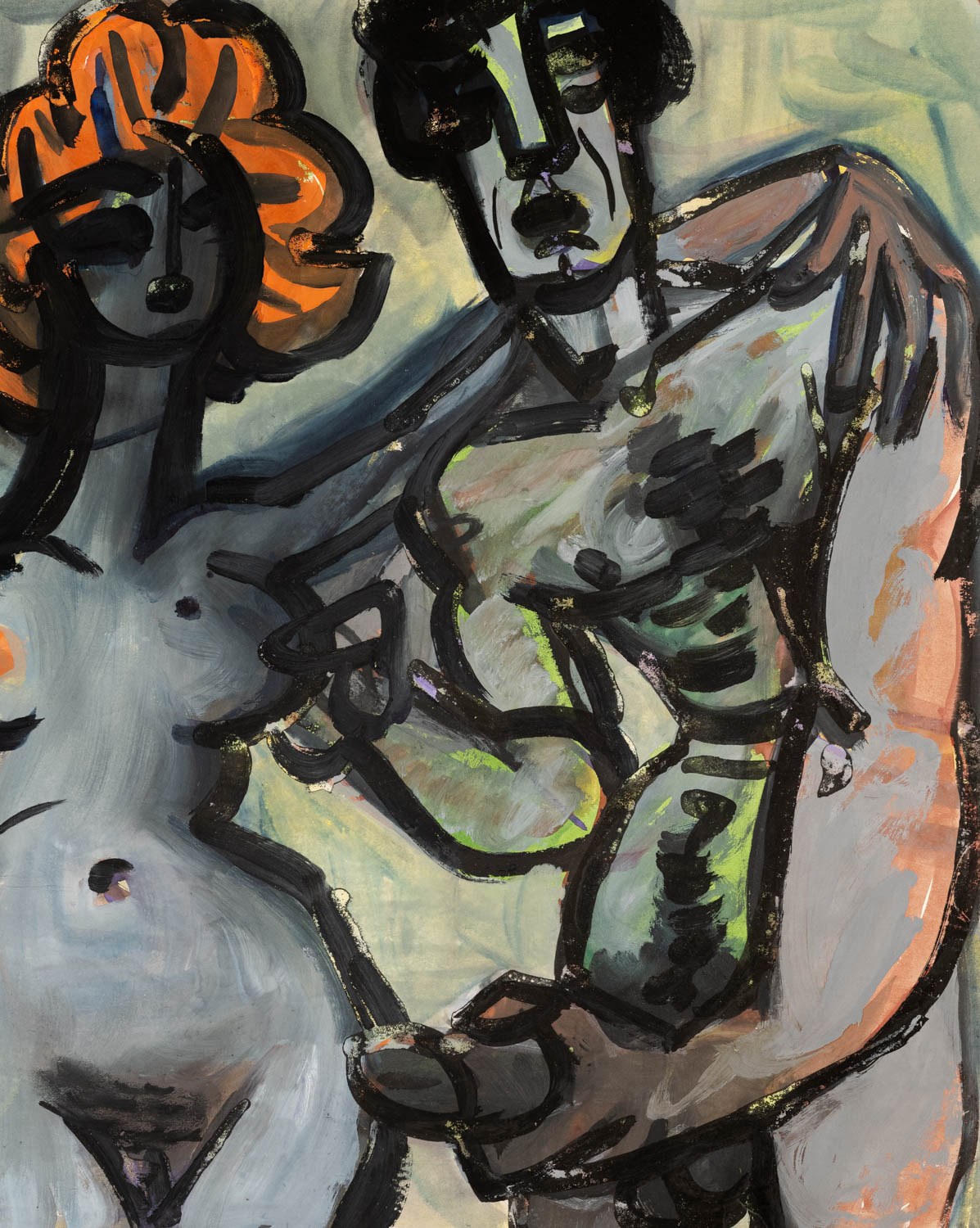
Potencja
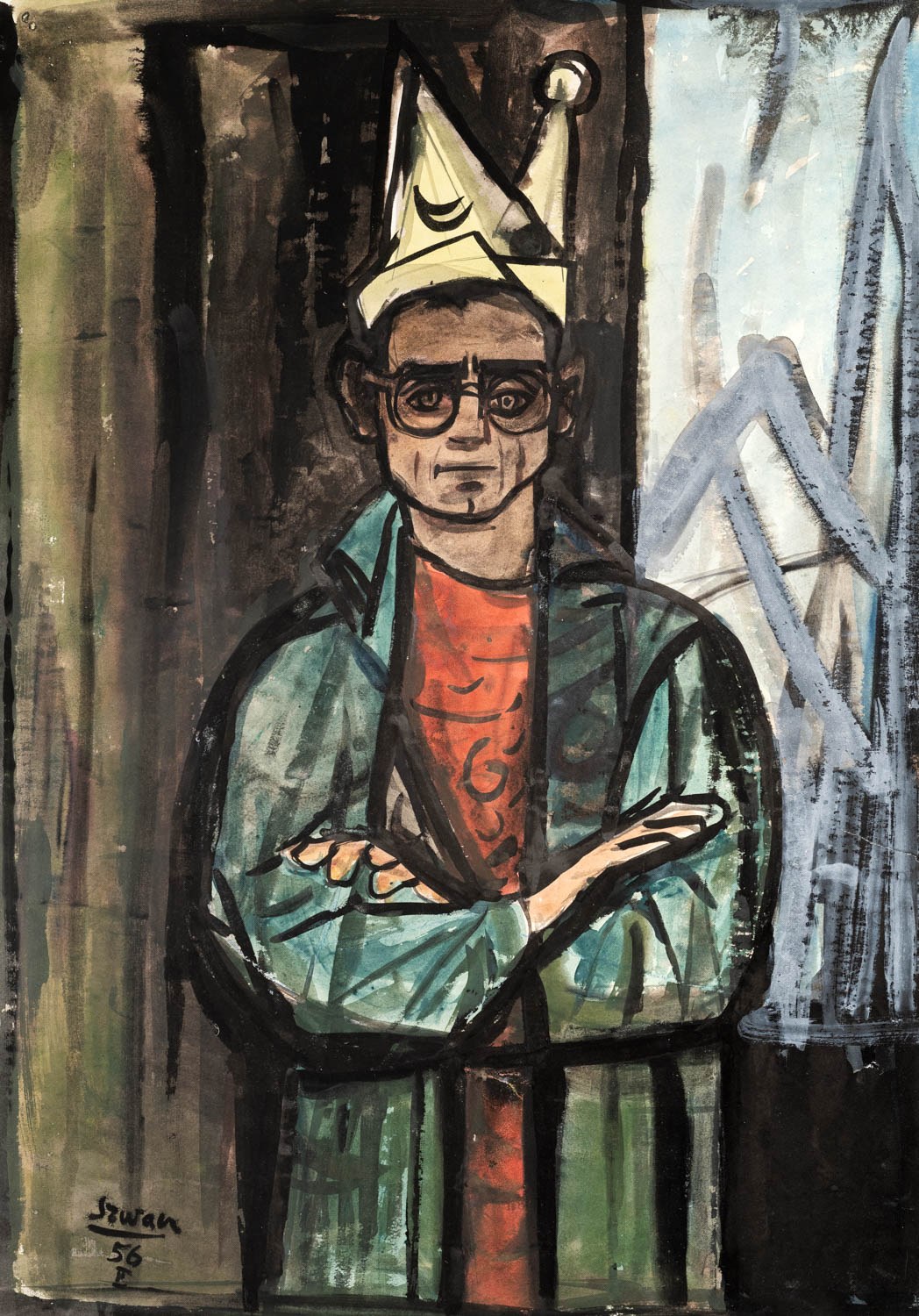
Autoportret jako Stańczyk
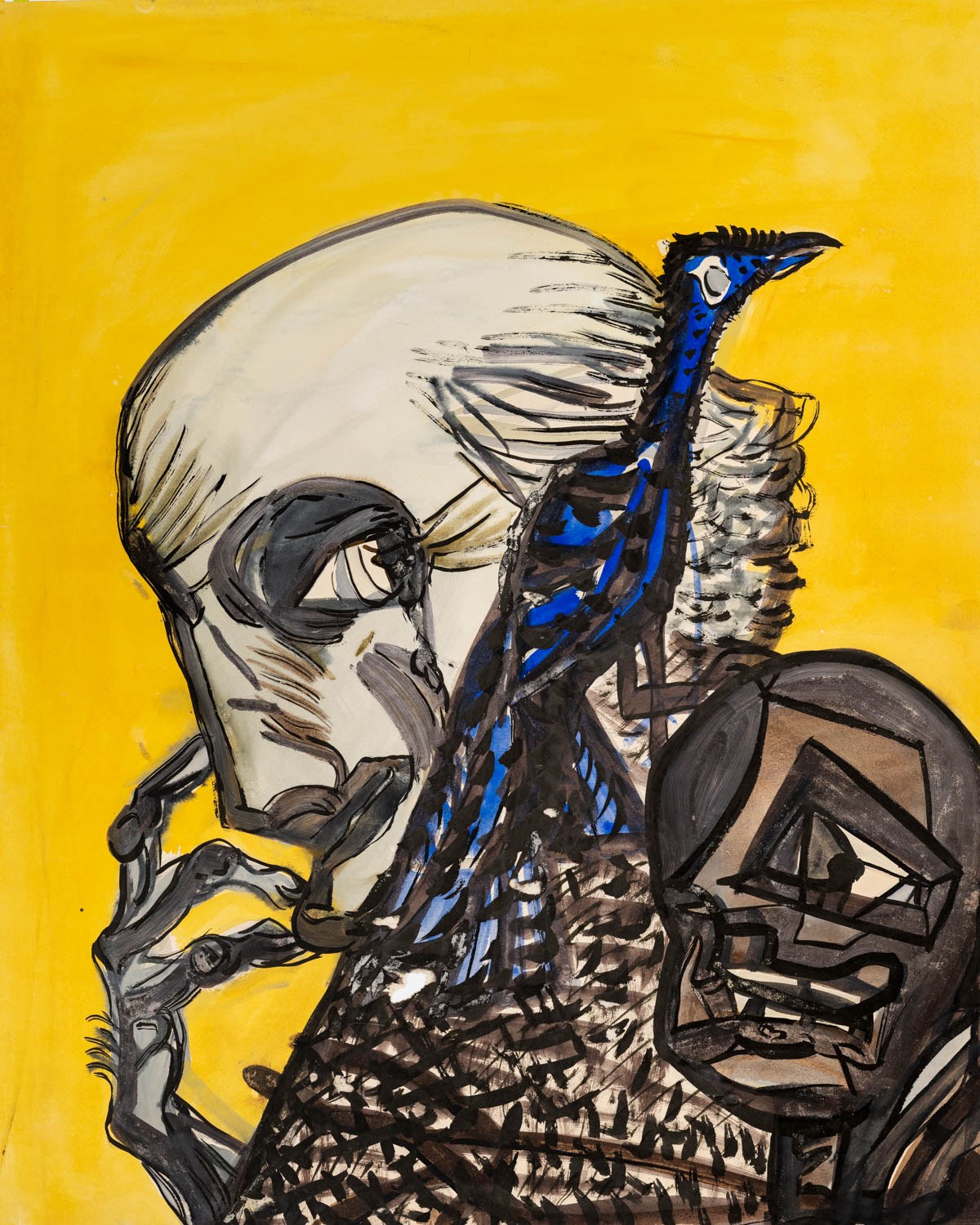
Śmierć i paw
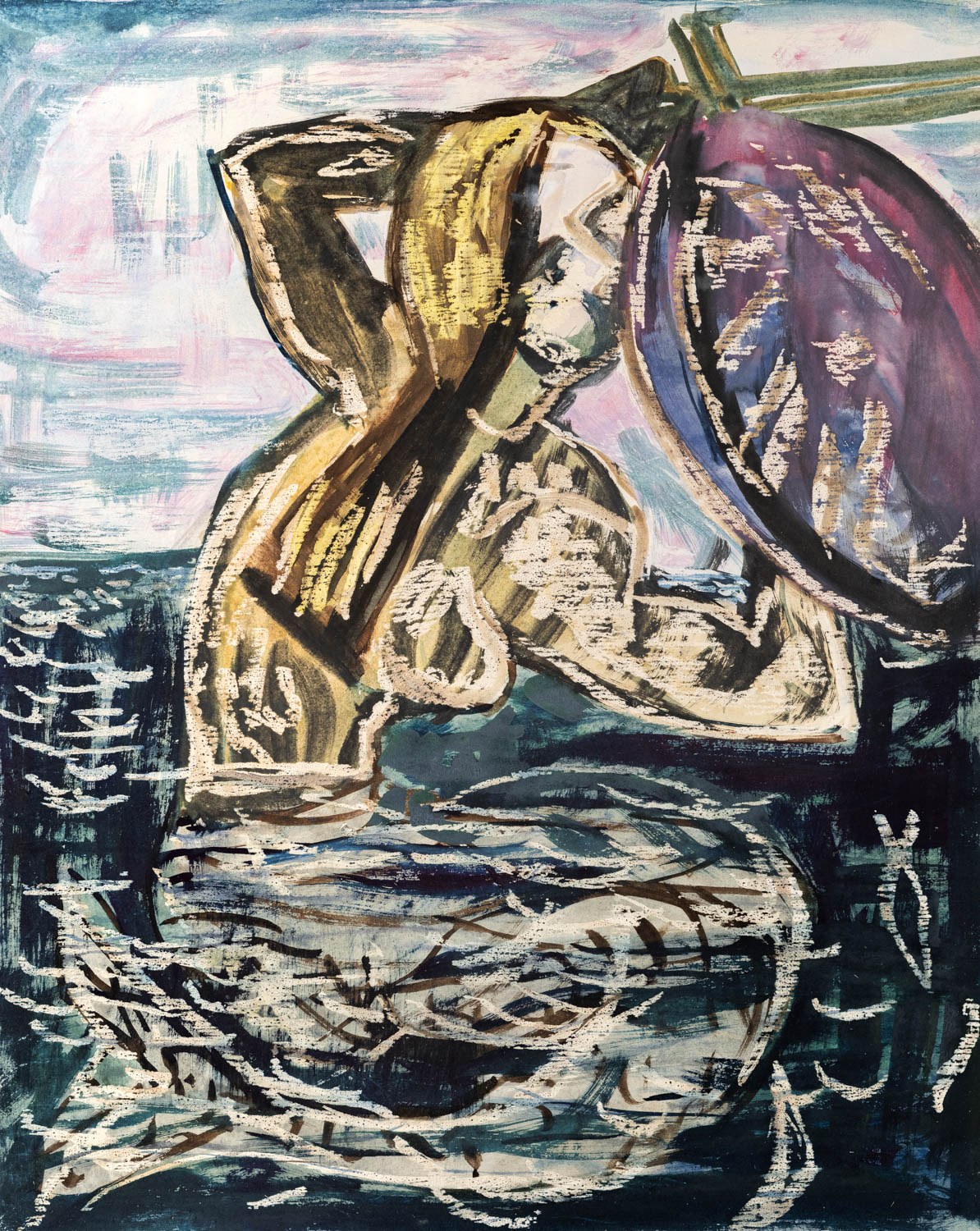
Syrenka walcząca z okupantem
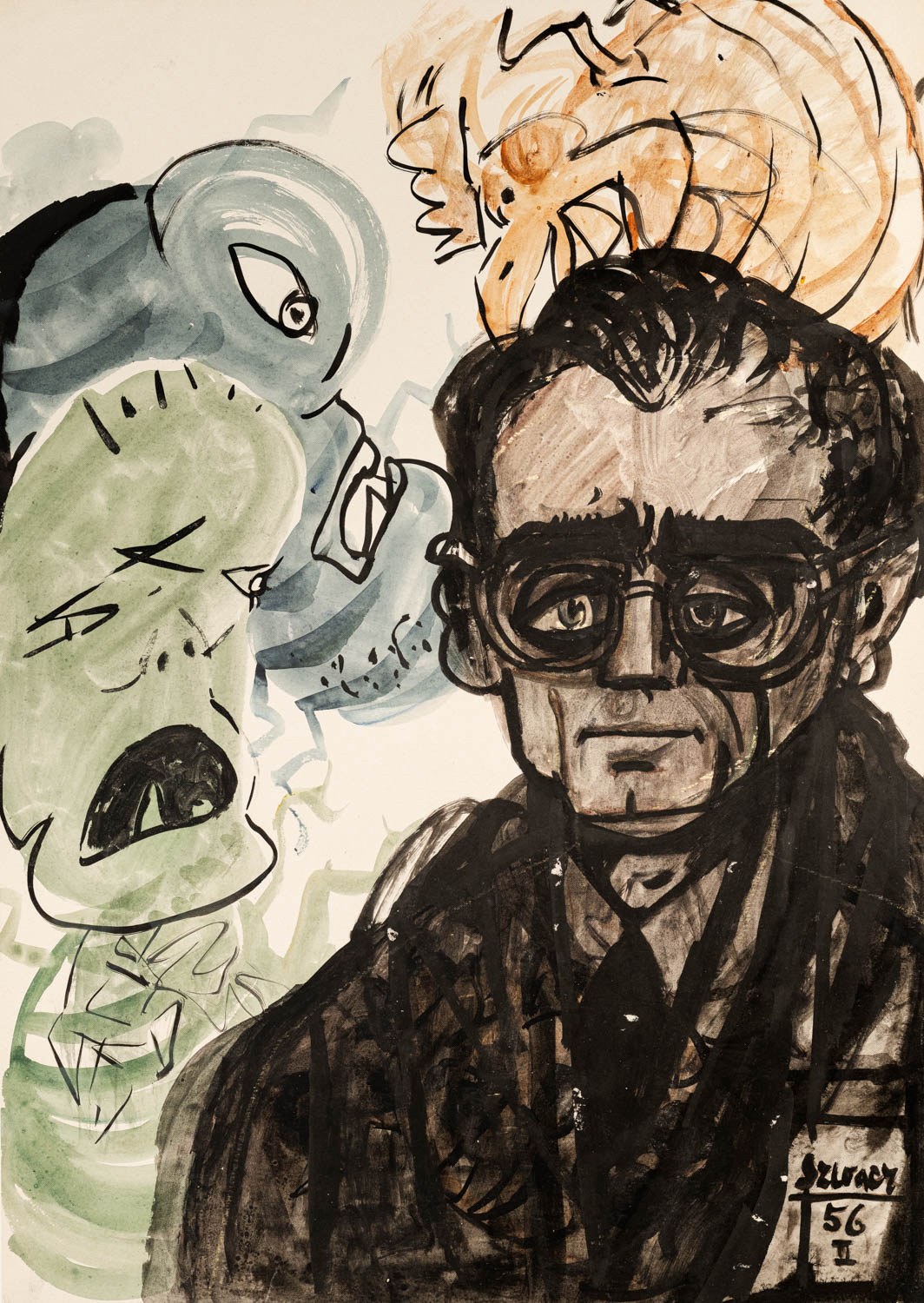
Udręczony myśliciel
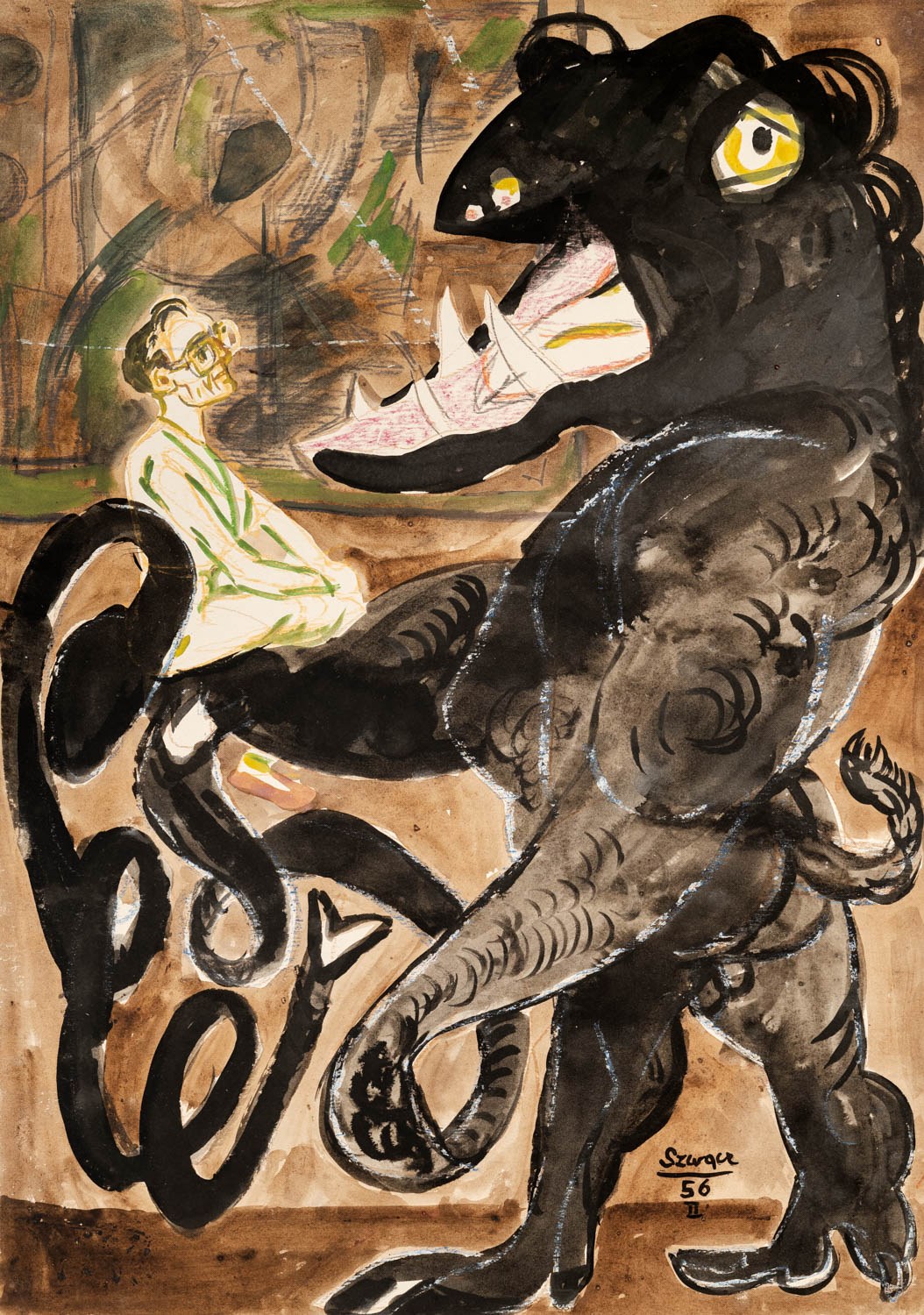
Medytacja przeciwko demonom
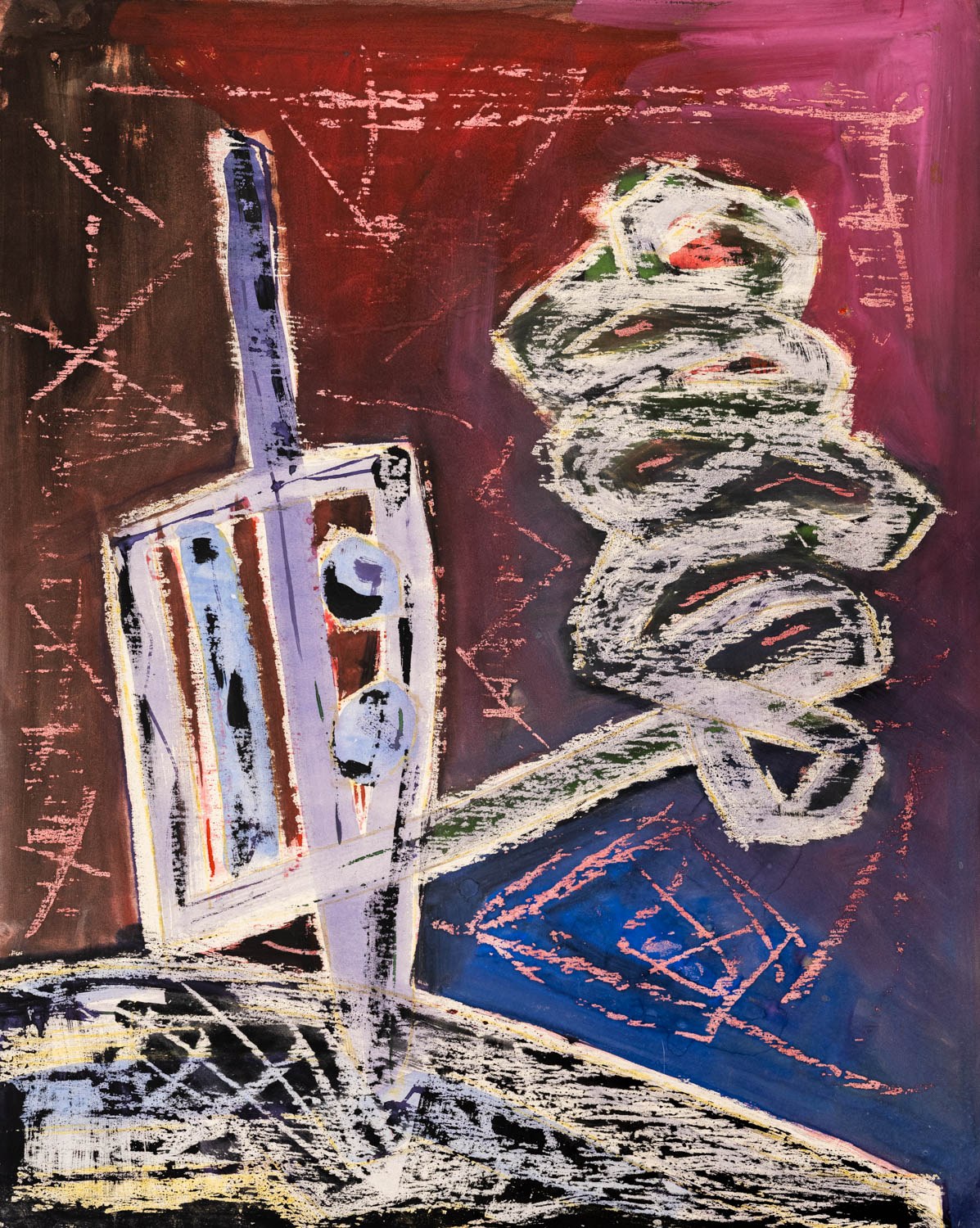
Kompozycja surrealistyczna

Critique of Abstraction
![Bogusław Szwacz — Untitled [Abstract Composition II]](https://rewizje.art/uploads/artwork/f98ce953-86af-459e-8239-b461ac998f5b/card_0.webp)
Untitled [Abstract Composition II]
![Bogusław Szwacz — Untitled [Birds]](https://rewizje.art/uploads/artwork/8dc60038-a314-498d-885c-c73227e7ecbd/card_0.webp)
Untitled [Birds]
![Bogusław Szwacz — Untitled [At Night]](https://rewizje.art/uploads/artwork/947848da-04ad-4b31-9aa9-f71e6c15840d/card_0.webp)
Untitled [At Night]
![Bogusław Szwacz — Untitled [Wild Figure]](https://rewizje.art/uploads/artwork/7ecb302f-d48c-4ddf-ba4a-186dce5207db/card_0.webp)
Untitled [Wild Figure]
![Bogusław Szwacz — Untitled [Nudes in a Fantastic Landscape]](https://rewizje.art/uploads/artwork/70b3061f-8fb6-4a4a-bafc-7de0c4466682/card_0.webp)
Untitled [Nudes in a Fantastic Landscape]
![Bogusław Szwacz — Untitled [Hellfire]](https://rewizje.art/uploads/artwork/35c4eeec-e546-4b1c-a7b6-15b082b2e1db/card_0.webp)
Untitled [Hellfire]
Biografia
From the circle of Kantor, through Parisian Revolutionary Surrealism, to Krzywe Koło. “A colourist is one who knows how to set the simplest colours together,” said Bogusław Szwacz, a professor and theorist of the Polish avant-garde.
Bogusław Szwacz (1912, Leżajsk – 2009, Warsaw) studied painting at the Academy of Fine Arts in Kraków, among others under Teodor Axentowicz and Xawery Dunikowski, graduating with distinction in 1937. He survived the war years in Lviv, and in 1944 settled in Tyniec near Kraków, where a cycle of landscape watercolours was created.
After the war he became involved in organising artistic life: in 1946 he took up a teaching post at the Academy of Fine Arts in Kraków and exhibited with the Group of Young Artists centred around Tadeusz Kantor, alongside Maria Jarema, Jerzy Nowosielski and Erna Rosenstein. At the turn of 1947 and 1948, on a scholarship in Paris, he joined the group “Le Surréalisme Révolutionnaire”, worked in the circle of Fernand Léger and showed his work at the Salon des Réalités Nouvelles (1948).
After his return he moved to Warsaw, associated himself with the Club of Young Artists and Scientists, and took part in the First Exhibition of Modern Art in Kraków (1948/1949). From the late 1940s he taught at the Warsaw school, the later Academy of Fine Arts, where for decades he led classes (among others, drawing in the Faculty of Sculpture) and in 1983 received the title of professor.
In the years of Socialist Realism he painted pictures in keeping with the doctrine, but already in 1955 he irrevocably abandoned figuration, presenting at an exhibition at the Warsaw Writers' Union his abstractions from the years 1949–1955. Drawing on Cubism and Art Informel, he strove to express states of the spirit and metaphysical questions: the relationship of the human being with the universe in which they live.
On this basis, from the turn of the 1950s and 1960s, he built his own concept of Ars-Horme, “The Art of Stirring the Imagination”, ultimately set out in a manifesto of 1977. In it he analysed the universal codes of writing, from the Arabic, Aramaic and Chinese alphabets to musical notation, drawing from them elementary structures of meaning and building, out of small forms, compositions whose rhythm and density he underscored with texture and colour. He regarded art as an activity equal to philosophy and religion.
As a participant in the avant-garde movement he showed his work at the Second and Third Exhibitions of Modern Art in Warsaw (1957, 1959), the “Confrontations” at the Krzywe Koło Gallery (1962, 1963), the First Biennale of Spatial Forms in Elbląg (1965) and the symposia of the “Golden Grape” in Zielona Góra, as well as abroad, from Paris to the United States. His works are held in the collections of the National Museum in Warsaw and the Museum of Art in Łódź. Szwacz's consistent, intellectual oeuvre, from the circle of Kantor to his own philosophy of the image, returns today in monographic shows as one of the singular chapters of Polish post-war abstraction.
Wystawy
Solo exhibitions
- 1955
abstractions from 1949–1955
Związek Literatów Polskich
Warsaw
-
Only Abstraction Matters!
Galeria Piekary
Poznań
Group exhibitions
- 1965
1st Biennale of Spatial Forms
Elbląg
- 1962/63
“Confrontations”
Galeria Krzywe Koło
Warsaw
- 1959
Third Exhibition of Modern Art
Warsaw
- 1957
Second Exhibition of Modern Art
Warsaw
- 1948/49
First Exhibition of Modern Art
Kraków
- 1948
Salon des Réalités Nouvelles
Paris, France