Artysta
Hubert Dolinkiewicz
Wybrane prace

Metaphysical Landscape I/26

Metaphysical Landscape II/26

Metaphysical Landscape III/26

Metaphysical Landscape V/26

Metaphysical Landscape VI/26

Metaphysical Landscape VIII/26

Metaphysical Landscape IX/26

Metaphysical Landscape X/26

Song XXVIII/25

Song XXIV/25

Song XVIII/25

Song VII/24

Song VI/24

Song XXVII/25

Metaphysical Landscape VIII/25

Metaphysical Landscape III/25

Metaphysical Landscape I/25

Song IX/25
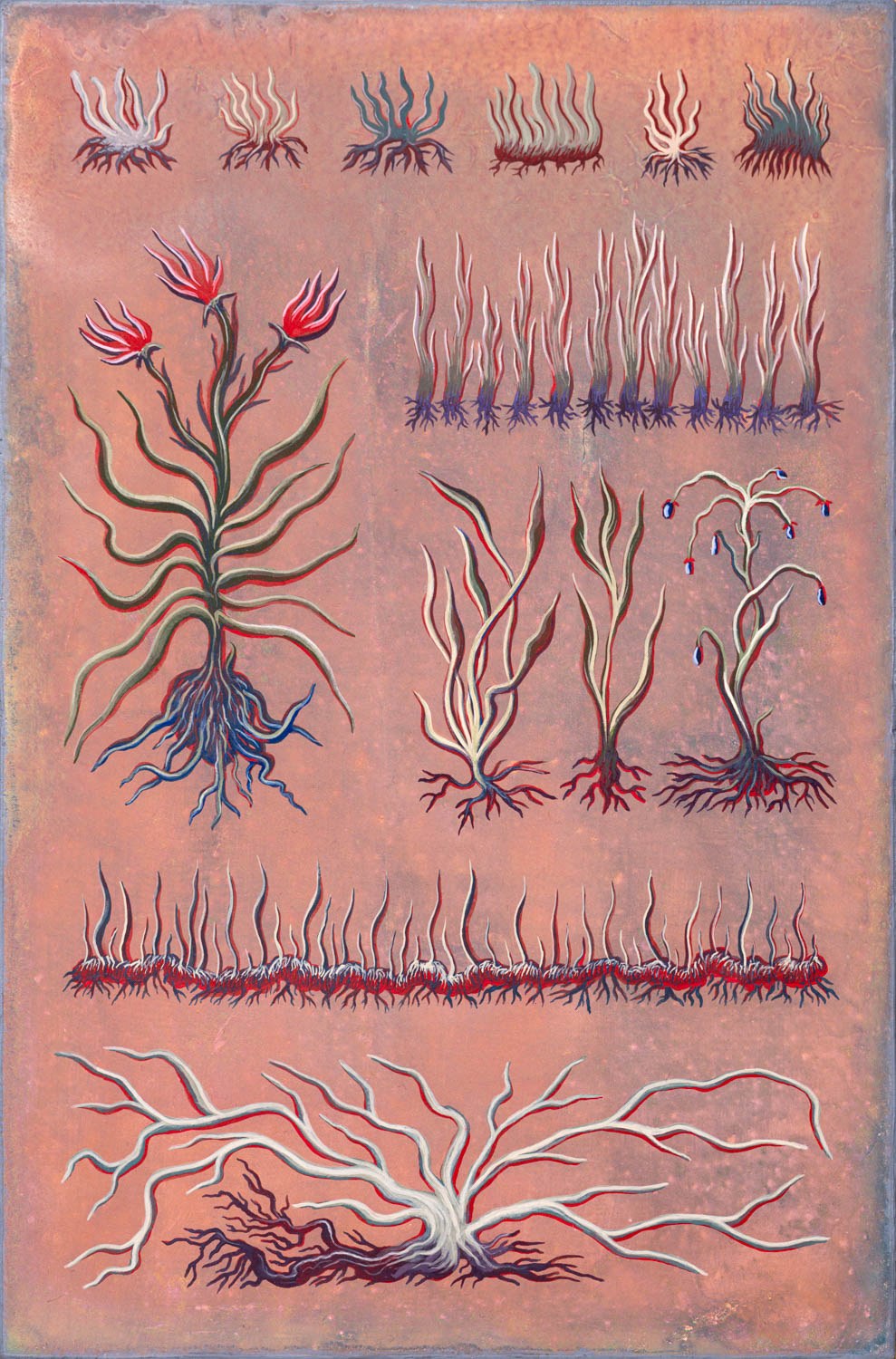
Pieśń X/25
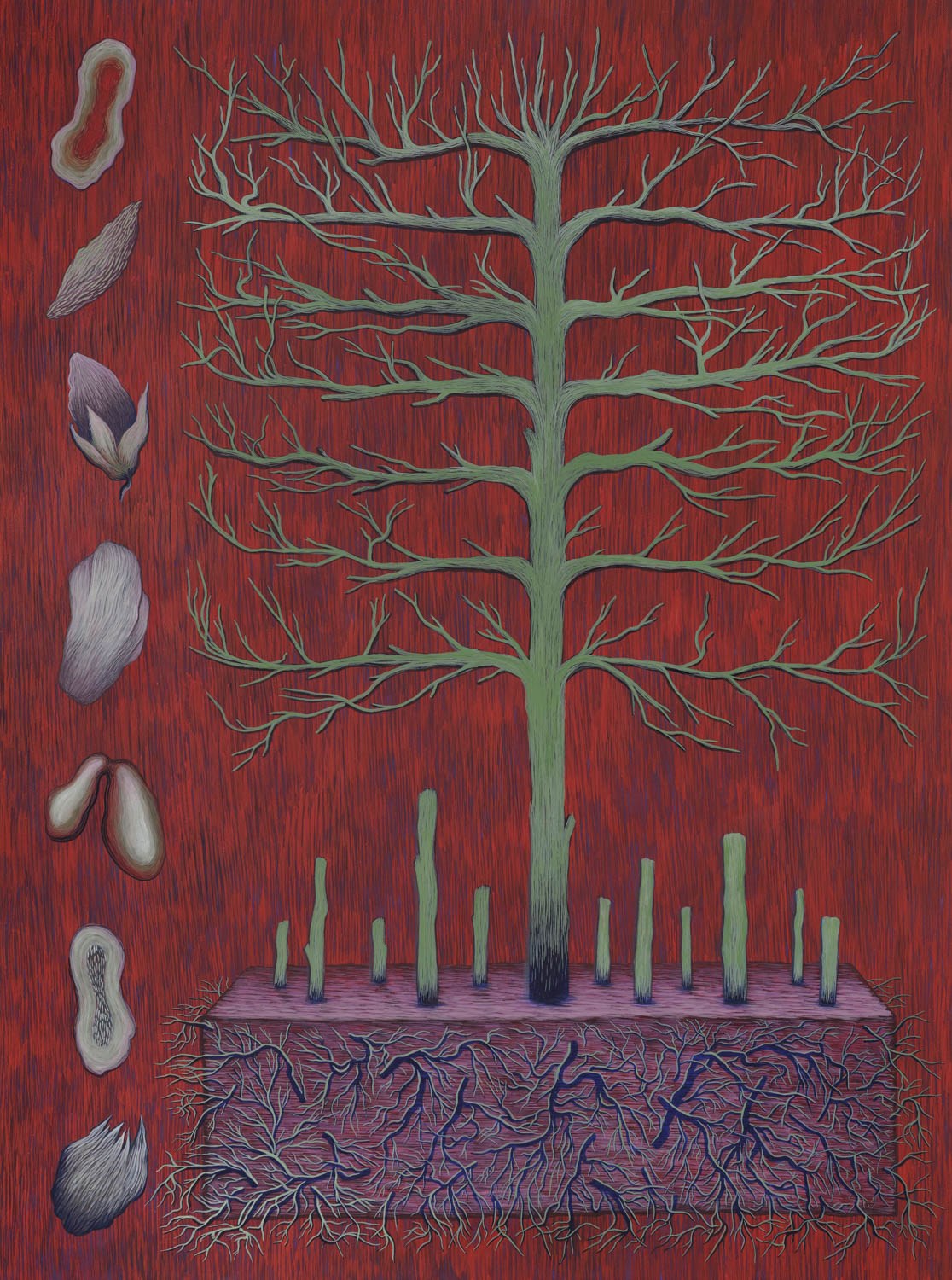
Pieśń IX/24

Song IV/25
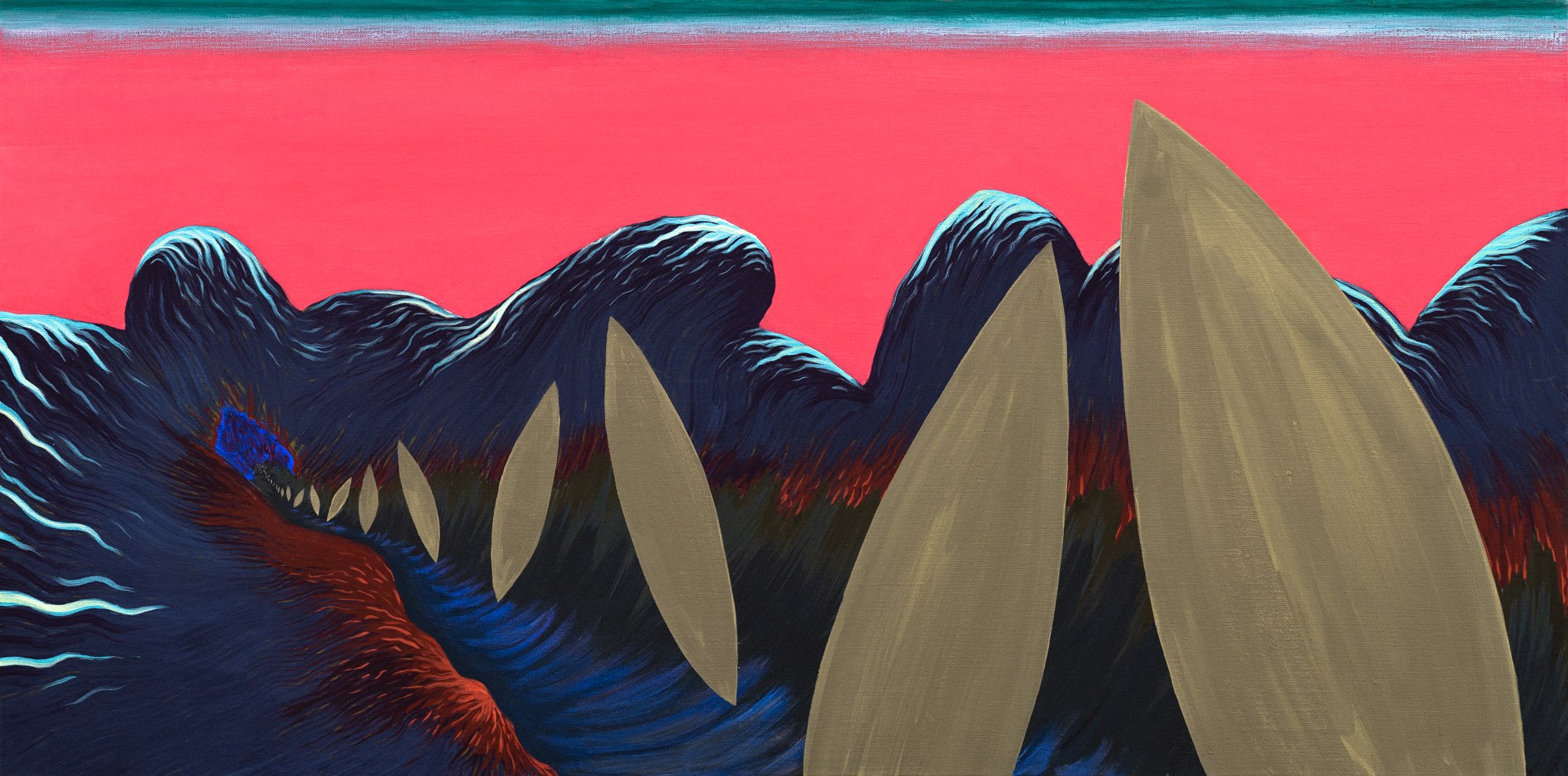
Pejzaż metafizyczny VI/2022
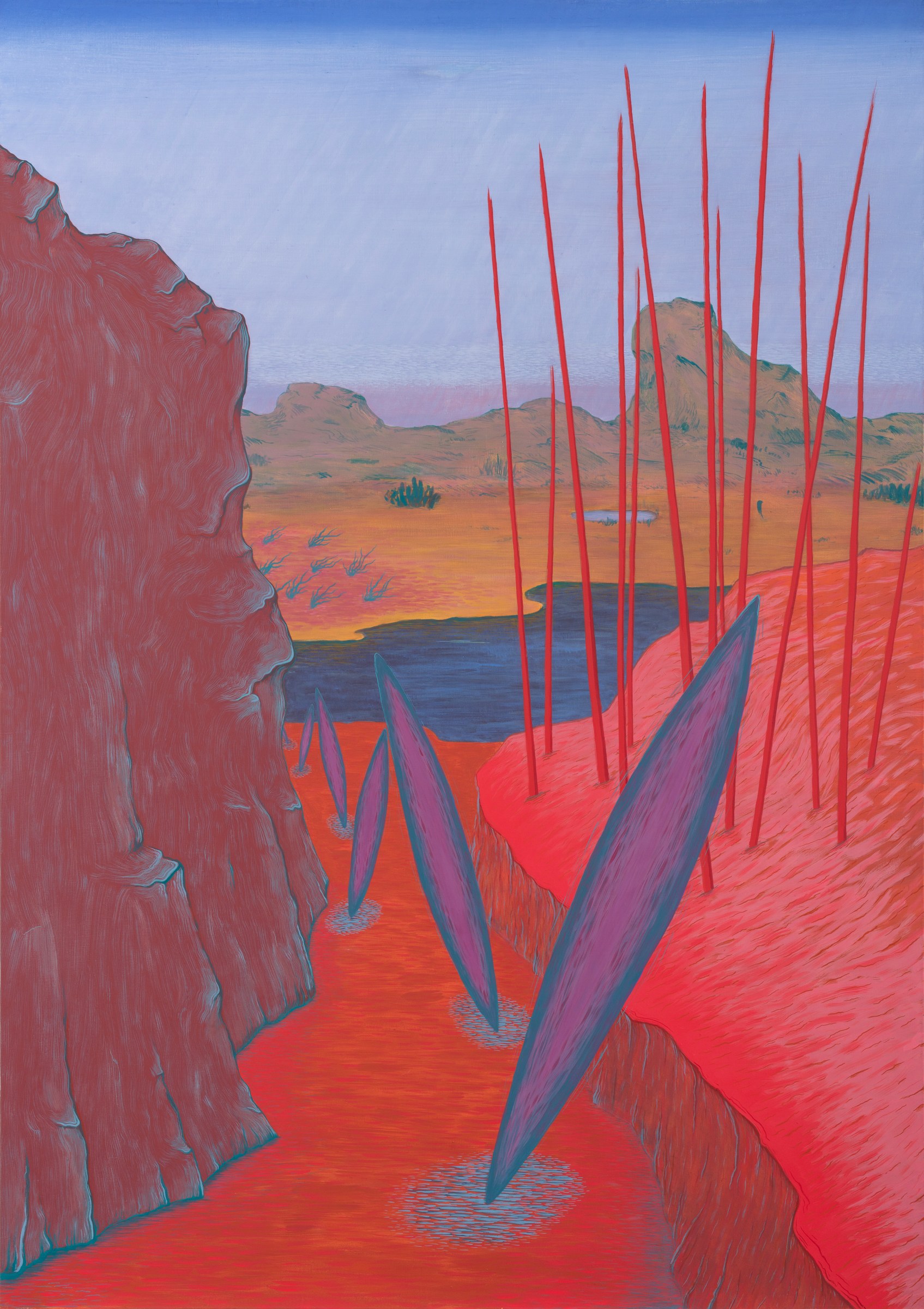
Pejzaż metafizyczny XVIII/23

Florentine Song II - Song III/25
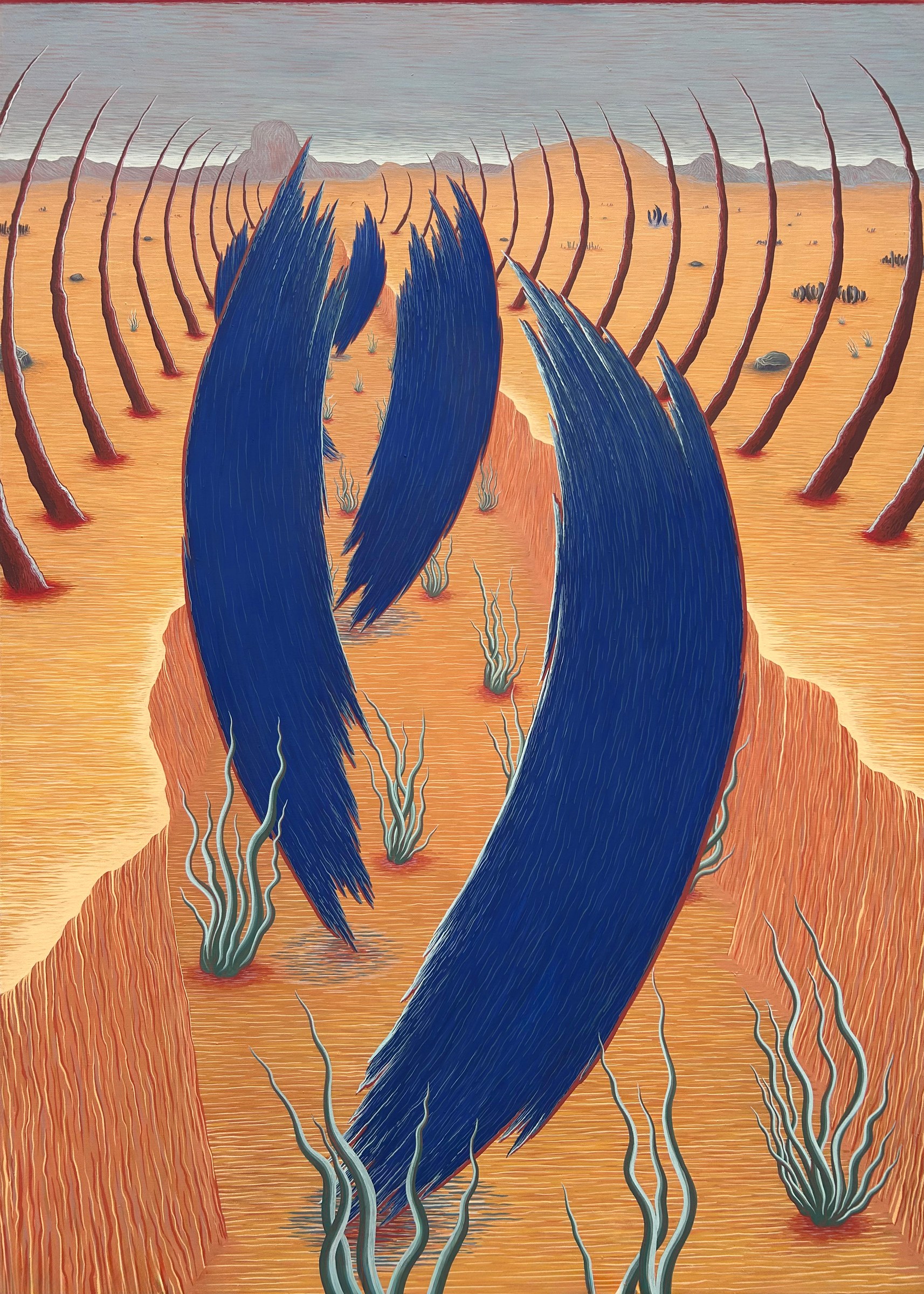
Pejzaż metafizyczny IV/25

Florentine Song - Song X/24

Song IX/24

Paduan Song - Song 1/25

Song VI/25

Song XXXI/25

Song XX/25

Song XXIX/25

Song XXX/25

Song XXI/25

Song XIX/25
Biografia
He seeks a form for the spiritual. From the tradition of the icon, Surrealism and Far Eastern calligraphy, Hubert Dolinkiewicz builds sign and landscape: painting as a space of existential experience.
Hubert Dolinkiewicz (b. 1998) is a painter and creator of spatial forms. In 2023 he graduated in painting from the Academy of Fine Arts in Warsaw, completing his diploma in the studio of Prof. Stanisław Baj, with supplementary diplomas in mural painting (under Dr hab. Sylwester Piędziejewski) and sculpture (under Prof. Jan Mioduszewski). The title of his diploma exhibition, “I Place the Sign at the Centre”, heralded the central theme of his art.
In his work, Dolinkiewicz searches for a form for spiritual and existential experience. He draws on the broadly understood tradition of sacred art, on Surrealism and the abstraction of the second half of the twentieth century, as well as on the Japanese woodcut and Far Eastern calligraphy. The sign plays a central role: from individual motifs, drawn from Christian iconography, from the observation of nature and from the purely painterly gesture, he builds a private iconosphere and an asemic script that arranges itself into sequences which demand to be read, though they are devoid of any fixed meaning.
Two principal cycles grow out of these elements. “Songs”, painted on wooden panels and inspired by the icon, and “Metaphysical Landscape”, created mainly on canvas and paper, in which nature becomes a space of inner states. The artist traces the lineage of these landscapes from Giorgio de Chirico and Yves Tanguy to the Polish classics of the avant-garde: Jan Tarasin and Zbigniew Makowski. Since 2024 he has also been developing spatial forms in wood, a three-dimensional extension of the “Metaphysical Landscapes”.
Although an artist of an early phase, his distinctive language has already drawn attention: he was among the best diploma works at the Academy of Fine Arts in 2023, and in 2024 he took 10th place in the Compass of Young Art ranking. His most recent painting and sculpture were shown at the solo exhibition “Imaginarium” (2025). His consistently built, private iconosphere places Dolinkiewicz among the most distinctive voices of the youngest generation of Polish metaphysical painting.
Wystawy
Solo exhibitions
- 2026
Topology
Galeria Miejska bwa w Bydgoszczy
Bydgoszcz
- 2025
Imaginarium →
Wallspace Gallery
Warsaw
- 2024
Game Dev
Galeria Dom Praczki
Kielce
- 2023
Flaming Bodies
Galeria Zielona
Łódź
- 2023
I Place the Sign at the Centre (diploma exhibition)
Akademia Sztuk Pięknych
Warsaw
- 2022
Metaphysical Landscape (from the “Glimmers” series)
Kolektywna Instytucja Kultury „Prześwit”
Warsaw
Group exhibitions
- 2026
Sonorium
KAUNO PAVEIKSLU GALERIJA
Kaunaus
- 2025
To Draw Now [fragments 4]
Galeria Neon, ASP im. E. Gepperta
Wrocław
- 2025
Fatal Error
Nowe Miejsce
Warsaw
- 2024
14th Compass of Young Art — finalists’ exhibition
- 2023
Best Diplomas of the Academy of Fine Arts 2023
Wielka Zbrojownia
Gdańsk
- 2021
Revival (1st “New Situations” Art Competition)
Galeria Apteka Sztuki
Warsaw